Are You Ready for Robots?
Humanoid robots like NEO are entering homes. What changes when robots go from awe to appliance, and who decides what they do.
 Pablo Bertero11 Nov 2025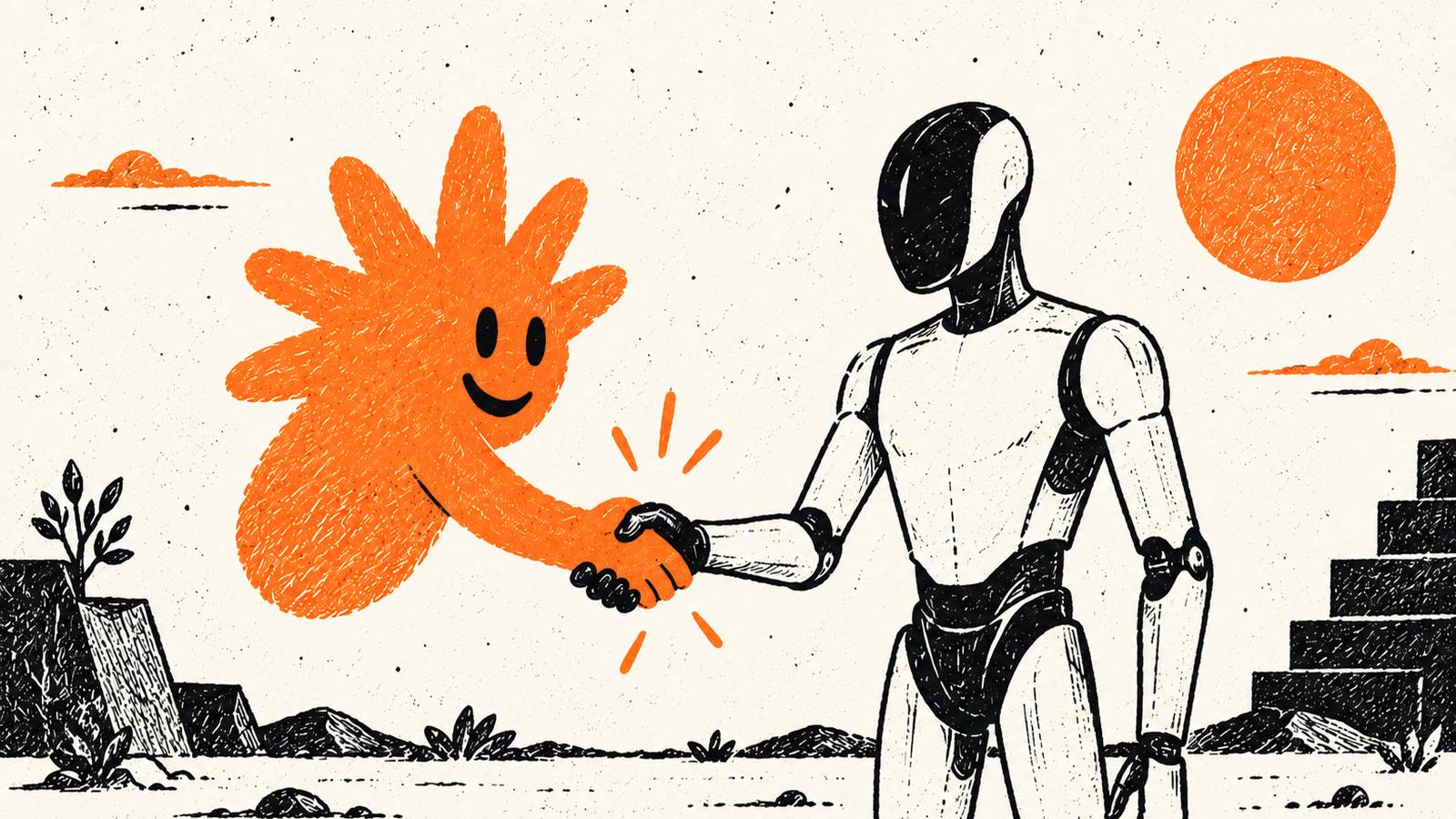
From my earlier blog, Every Human in the Loop, 2025. It was written on 11 Nov 2025, so figures and news are as of that date.
The Age of Embodied AI
Robots have been living with us for years. The dishwasher. The Roomba. Alexa. But something's shifting — and fast. This time, the machines are standing up. They have limbs. They walk. They look us in the eye.
The latest example? NEO, the first humanoid robot built specifically for home use. Not a military machine. Not a factory arm. A robot designed to live with people — to operate in kitchens, navigate cluttered apartments, help with household tasks. A machine with AI built in. And it’s not a decade away. It’s here now. (1X Technologies)
This isn’t sci-fi. It’s economics. NEO reportedly costs less than a used car — and like all technology, prices will fall. Today, it’s a premium device. In five years, it could be as common as a flat-screen TV. That’s the curve we’re on.
Robots Have Always Been Here
We tend to imagine robots as something futuristic — yet we’ve been surrounded by them for decades. They’ve scrubbed our floors. Answered our questions. Followed our voice commands. But they were invisible in a way. They were tools, not companions.
The real change now is embodiment. The merging of physical presence with artificial intelligence. NEO doesn’t just answer a question — it hands you a glass. It doesn’t just suggest a song — it opens the blinds. That shift from digital to physical is massive. It brings AI off the screen and into our rooms.
Opportunity (and Risk)
Humanoid robots open a new frontier. Assistive care. Emergency response. Education. Elderly support. Companionship. New industries are being born. New jobs will emerge. There’s real optimism here — if we build responsibly.
But there’s a darker mirror, too. The same robots could be deployed for warfare, surveillance, coercion. History shows us that every major tech advance splits: electricity powered hospitals and electric chairs. The internet connected families and enabled disinformation. Robots will be no different.
What Changes When Robots Become Normal?
Think about your phone. Just 15 years ago, it wasn’t “normal” to have a camera, map, encyclopedia, TV, and work device in your pocket. Today, it’s so normal we don’t notice. Robots may follow the same path — from awe to appliance.
And that shift matters. It raises real questions: Who builds them? Who controls the software? What values are embedded in their actions? What kinds of labor do they replace — and which do they make more valuable?
It’s not just a hardware revolution. It’s a societal one.
This Is a Conversation
At Every Human in the Loop, we believe in shaping this future together. Our agent is live and listening. So we’re asking:
- What would you want a robot to do for you?
- Where should we draw the line?
- Would you bring a robot into your home?
- How do we ensure they serve humanity — not just markets?
Robots aren’t coming. They’re here. And what we do next will shape how they live among us — and how we live with them.