Is AI Making Us Dumber?
We are handing memory, reasoning and creativity to machines. What the research says, and whether we are getting dumber or just changing.
 Pablo Bertero18 Oct 2025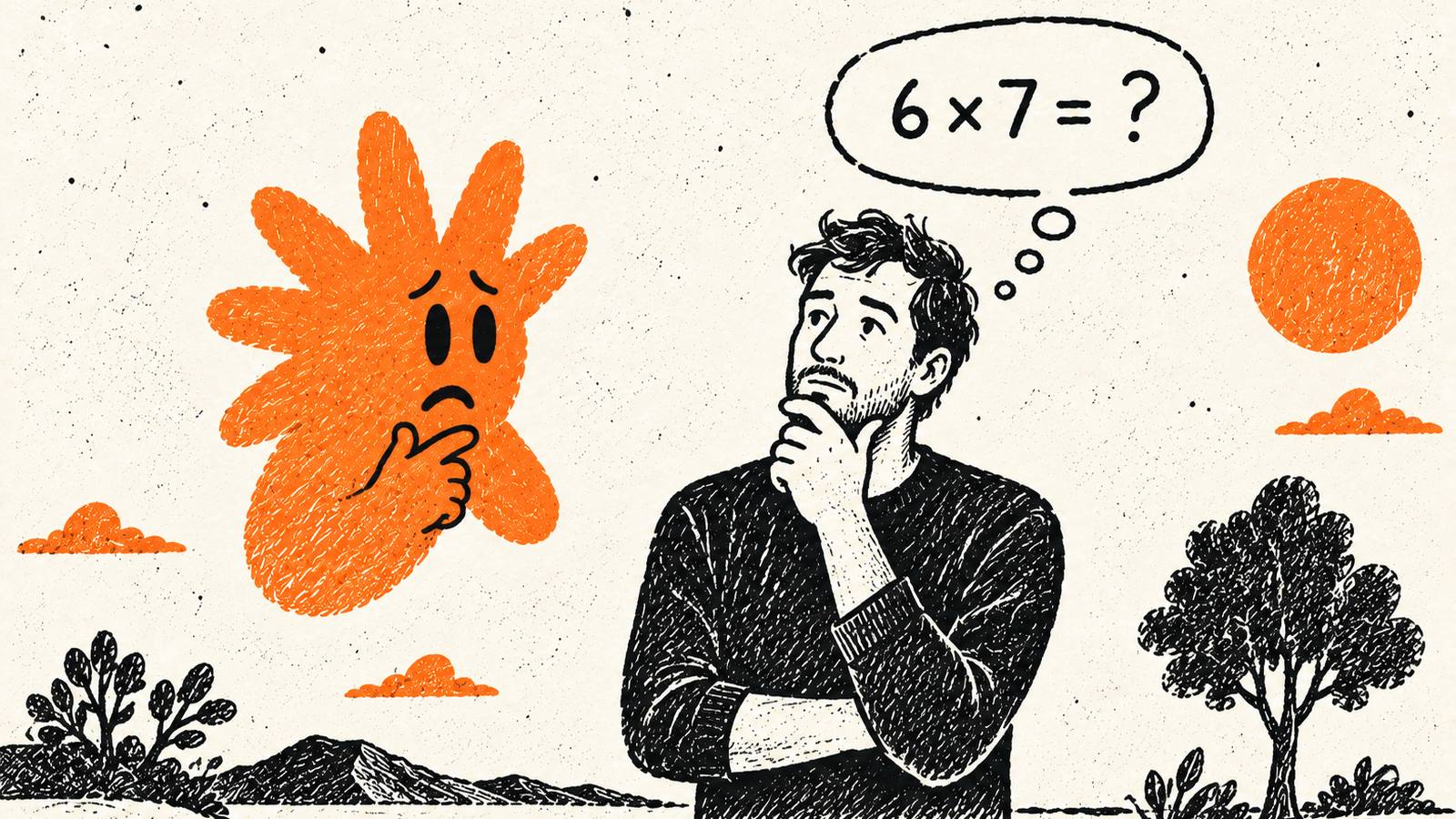
From my earlier blog, Every Human in the Loop, 2025. It was written on 18 Oct 2025, so figures and news are as of that date.
When Was the Last Time You Memorized a Phone Number?
Or found your way somewhere new without checking GPS? Or wrote a full text without asking AI to polish, shorten, or finish it?
It’s okay. Me neither.
We’re all part of a global experiment in cognitive offloading. Bit by bit, we’re outsourcing mental functions—memory, reasoning, creativity—to digital systems. It’s not new; we’ve done it since we started writing, since we invented calculators. What’s different today is the scale and speed. We’re offloading more cognitive capacity, faster, and with deeper dependence than ever before.
This Is Already Happening
The research is striking:
Your internal GPS is dying. Frequent users of navigation apps show poorer spatial memory and faster cognitive decline over time. The hippocampus—the brain region responsible for orientation—literally shrinks from lack of use.
AI makes you faster, not smarter. Developers using GitHub Copilot coded 55.8% faster, but solved problems at the same rate. More code, same problem-solving ability.
Thinking is fragmenting. Students using ChatGPT generate more initial ideas—but with weaker cognitive connections. More output, less depth.
The pattern is clear: every time a technology takes over a mental function, that function weakens in us.
This Isn’t the First Time
The ancient Greeks feared writing would destroy memory. And they were right: we stopped memorizing epic poems. But we gained abstract thought, philosophy, science.
The same happened with the printing press, the calculator, and the internet. Every cognitive leap made us less skilled at one thing—but more capable in another dimension.
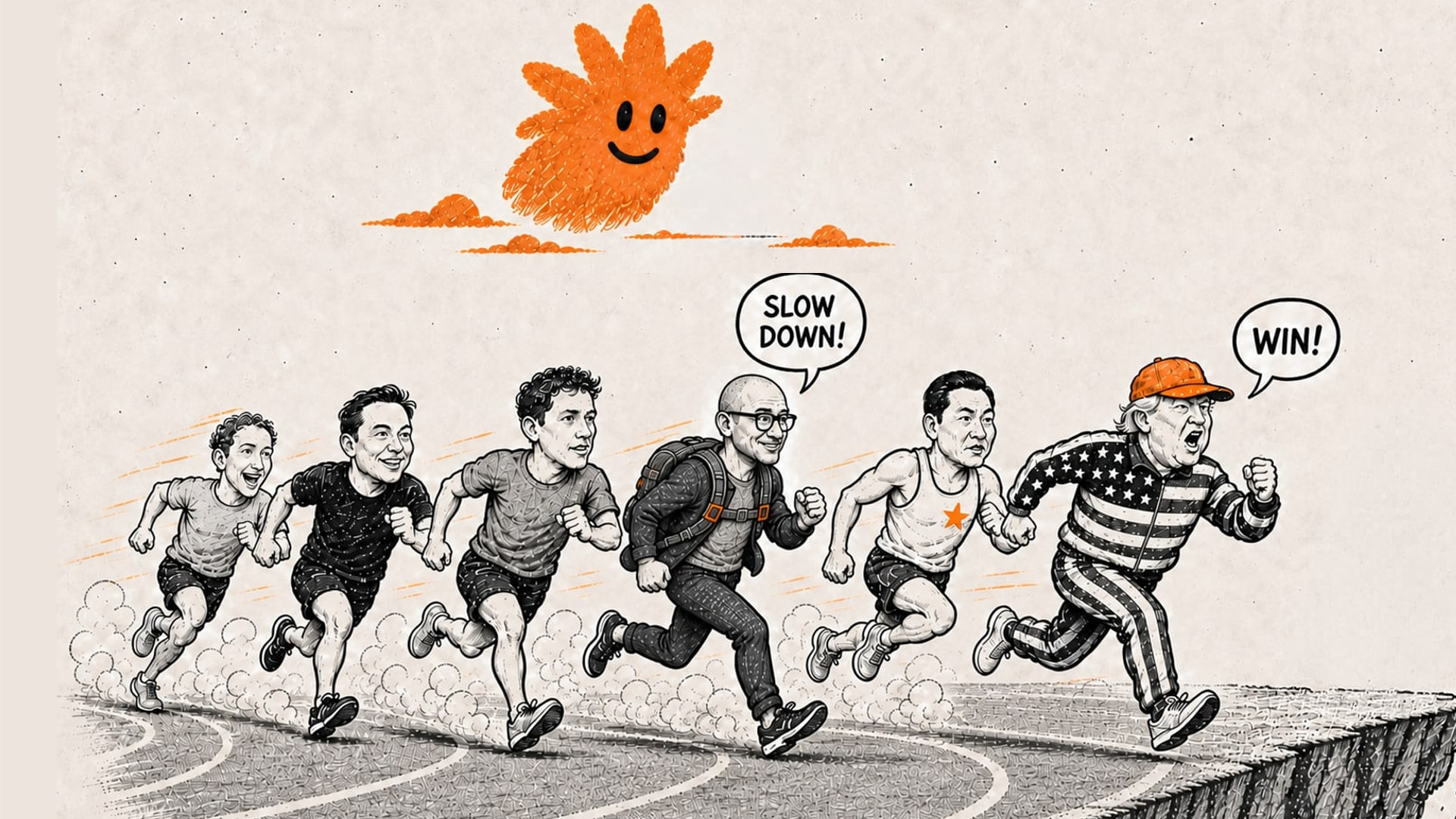
The difference now is speed. New cognitive technologies used to appear every few centuries. Now they emerge every few years. And AI doesn’t just replace one mental function, like calculation or memory—it can replace many at once: writing, reasoning, creating, deciding.
So, Is AI Making Us Dumber?
The question assumes intelligence is fixed. It isn’t. Human intelligence has always evolved alongside its tools.
When we externalized memory through writing, we didn’t become dumber. Our intelligence shifted: we got worse at remembering but better at analyzing, synthesizing, and thinking abstractly.
The same pattern repeats with every technological leap. The real question isn’t whether we’re losing intelligence—it’s what human intelligence is evolving into now that AI is taking over so many cognitive functions.
What Is Intelligence, Anyway?
If intelligence is the ability to solve problems—and AI keeps solving more of them—what’s left for us?
Maybe human intelligence is becoming less about solving and more about deciding what’s worth solving. About asking the right questions. About interpreting, assigning meaning, choosing direction.
Maybe it’s also becoming less individual. The digital world connects us into vast networks of collective thought—millions of people thinking, reacting, and creating simultaneously. Intelligence may be turning more collective than ever.
Or perhaps we’re entering an era of hybrid intelligence—where humans and machines think together, each contributing what they do best. Not competition, but co-evolution.
There’s another possibility too: that this cognitive revolution won’t affect everyone equally. That a gap is opening between those who learn to think with AI—keeping their cognitive agency—and those who simply let AI think for them.
The Questions That Matter
These questions don’t have one answer. And the answers will probably change as we live through this cognitive experiment in real time.
Do you think we’re getting dumber—or just changing?
Where do you think human, non-artificial intelligence is headed?
Are we all equally prepared for this cognitive revolution—or is a new divide emerging?
Which part of your own intelligence are you still exercising? And which part are you letting quietly rust?
Artificial intelligence is evolving fast. The real question is whether human intelligence can evolve just as quickly.
And that’s not something any one person can answer alone.